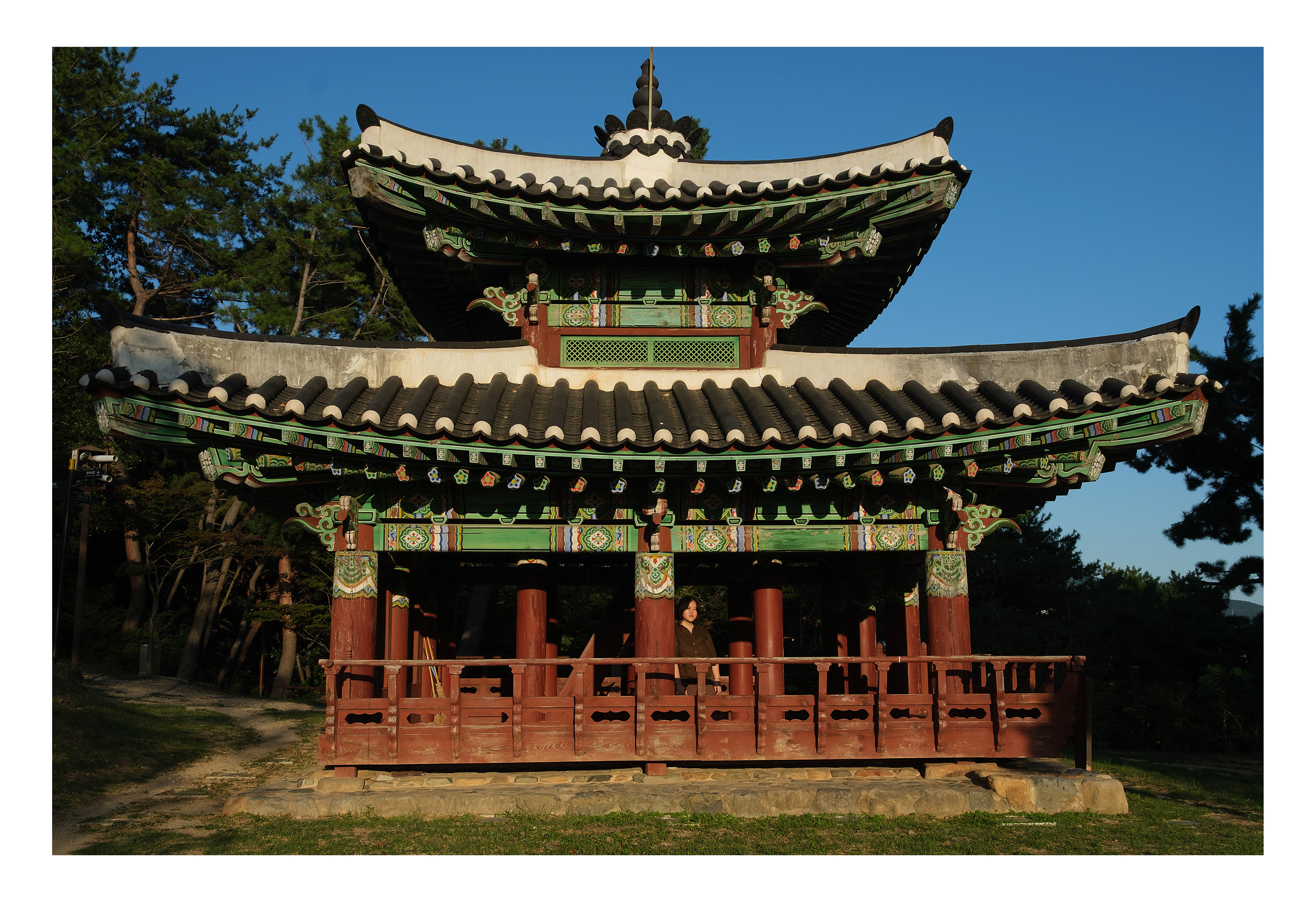
Hanjeong Exhibition Tour - Part 1
Hanjeong Exhibition Tour - Part 2
What does it feel like to be othered within your own country?
South Korea has had a turbulent history. Since the fall of the Joseon Dynasty in 1910, the Korean peninsula has been colonised and divided by war. The two states of North and South Korea remain at war. Even prior to the 20th century, the peninsula was a “shrimp amongst whales” insofar as it was surrounded by the continental powers of Russia, Mongolia, China and Japan that, at various times, tried to subjugate it. Through this turmoil, the country of South Korea emerged as a nation with a very strong sense of identity, culture and a unified ethnicity by necessity.
The idea of ‘minjok’ (민족) was taught in schools and means people with more complicated identities struggle to gain acceptance in the country, even in cases where they are ethnically Korean by birth. As a result of these ideas being taught to the older generation, terms like gyopo (교포), honhyeol (혼혈), goryeo-in (고려인), and joseon-jok (조선족) are common and serve to ‘other’ people that are not seen as pure Korean. What are the issues faced by these people?
Furthermore, South Korea is at a historical turning point. Currently, it has a foreign population of 4.9%, which is close to the 5% required to be considered a multicultural country. The birth rate in South Korea is also at a historic low of 0.81, far below the rate required to maintain a stable population. These factors mean the foreign population in South Korea will continue to grow. What does this mean for a historically homogenous country?
Finally, what does it mean to be ‘Korean’? How do people who are not strictly considered ‘Korean’ integrate into this society? This project aims to explore the issues experienced by people with the above-mentioned identities between their own ideas of their identity and the identity imposed on them in the country that they live in.
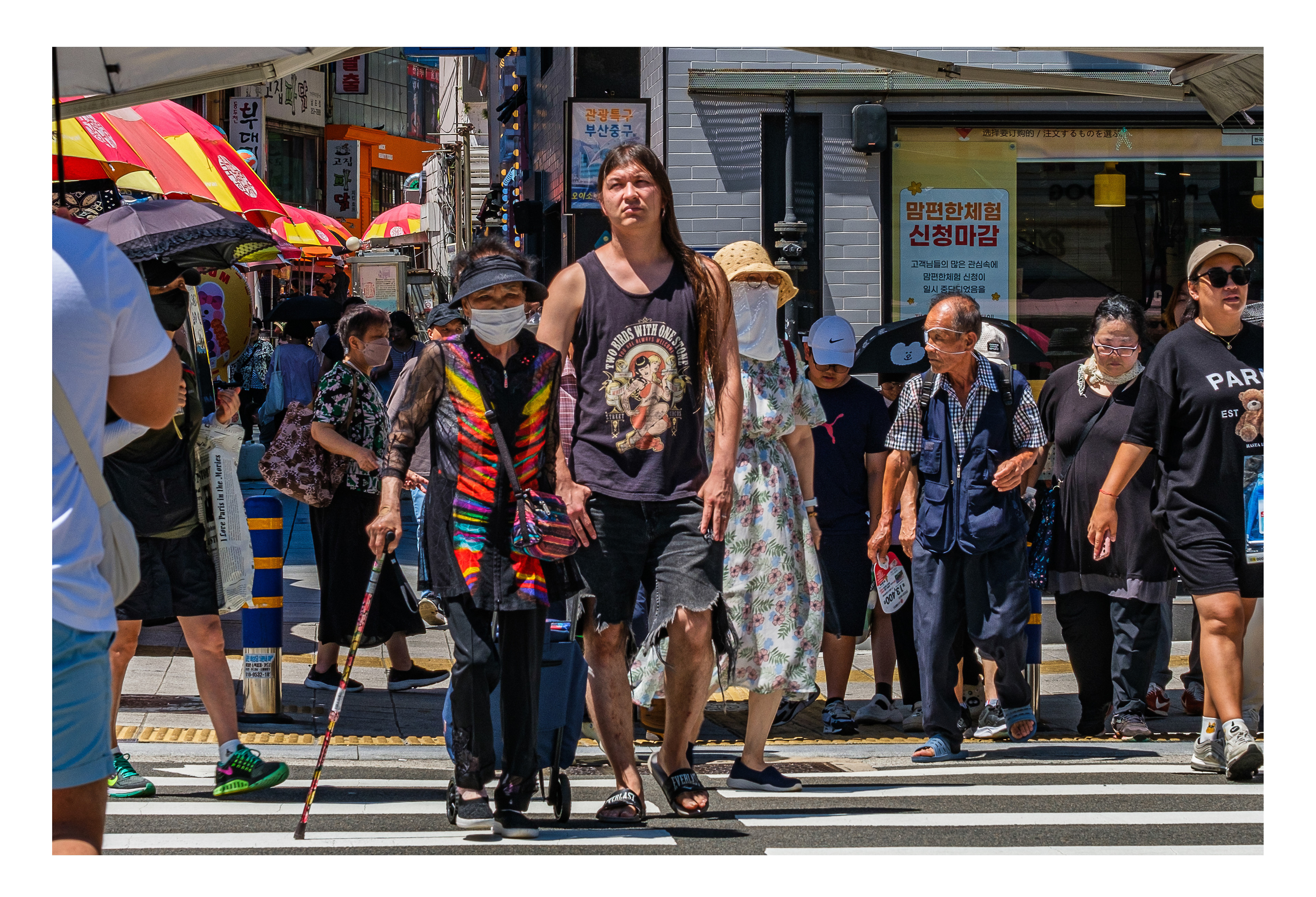
Image 1 - Crossing
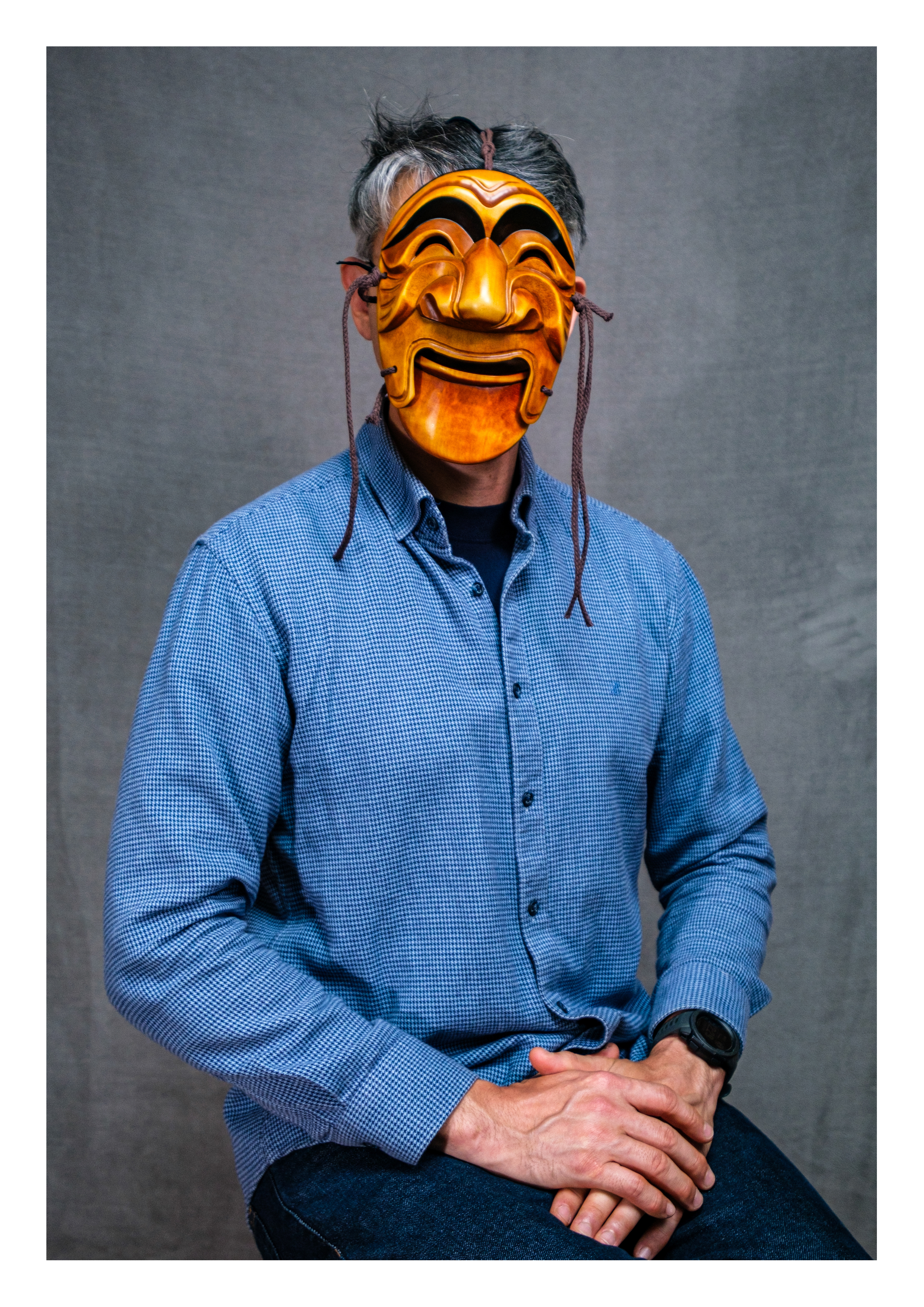
Image 2 - 양반
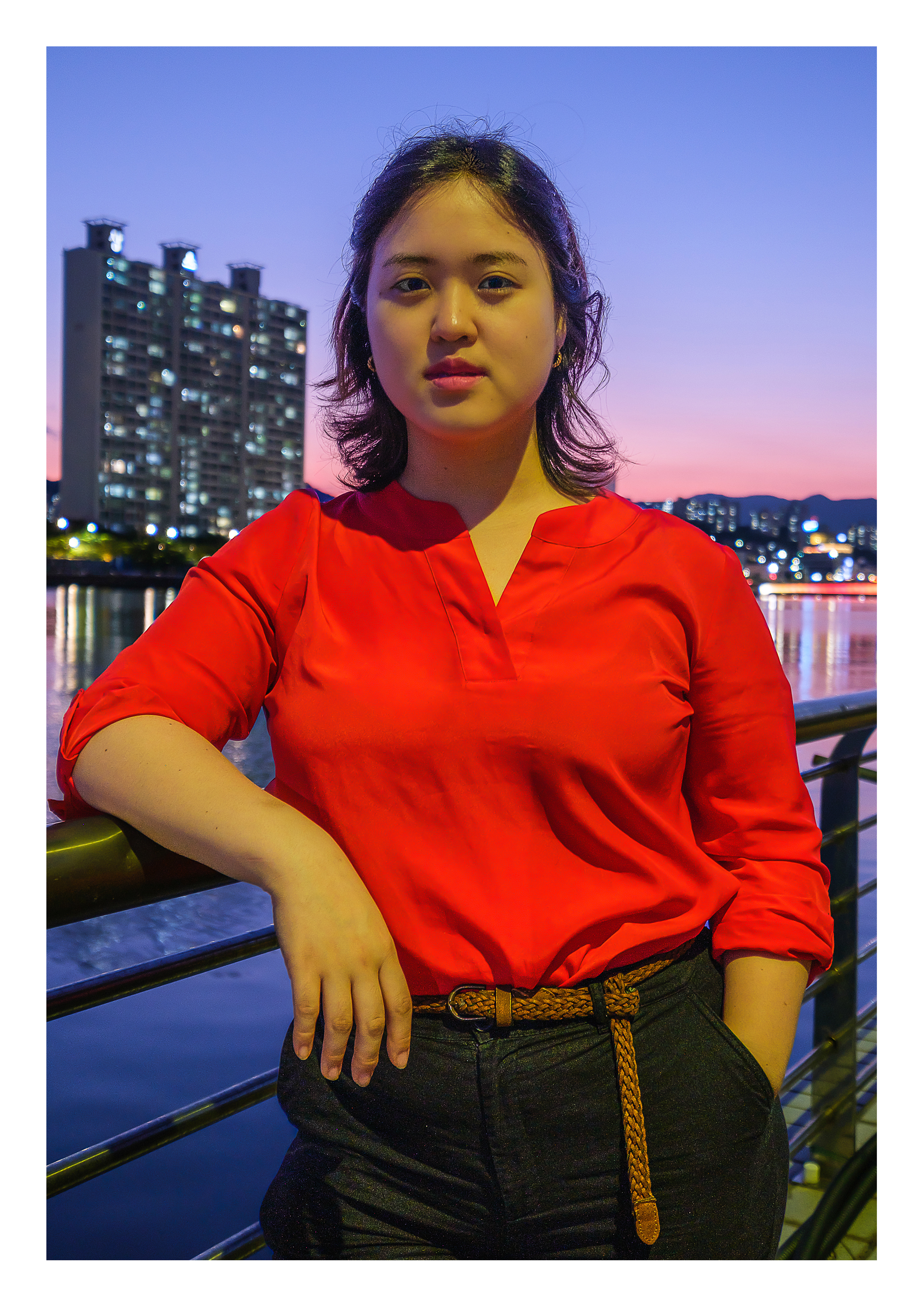
Image 3 - By the River
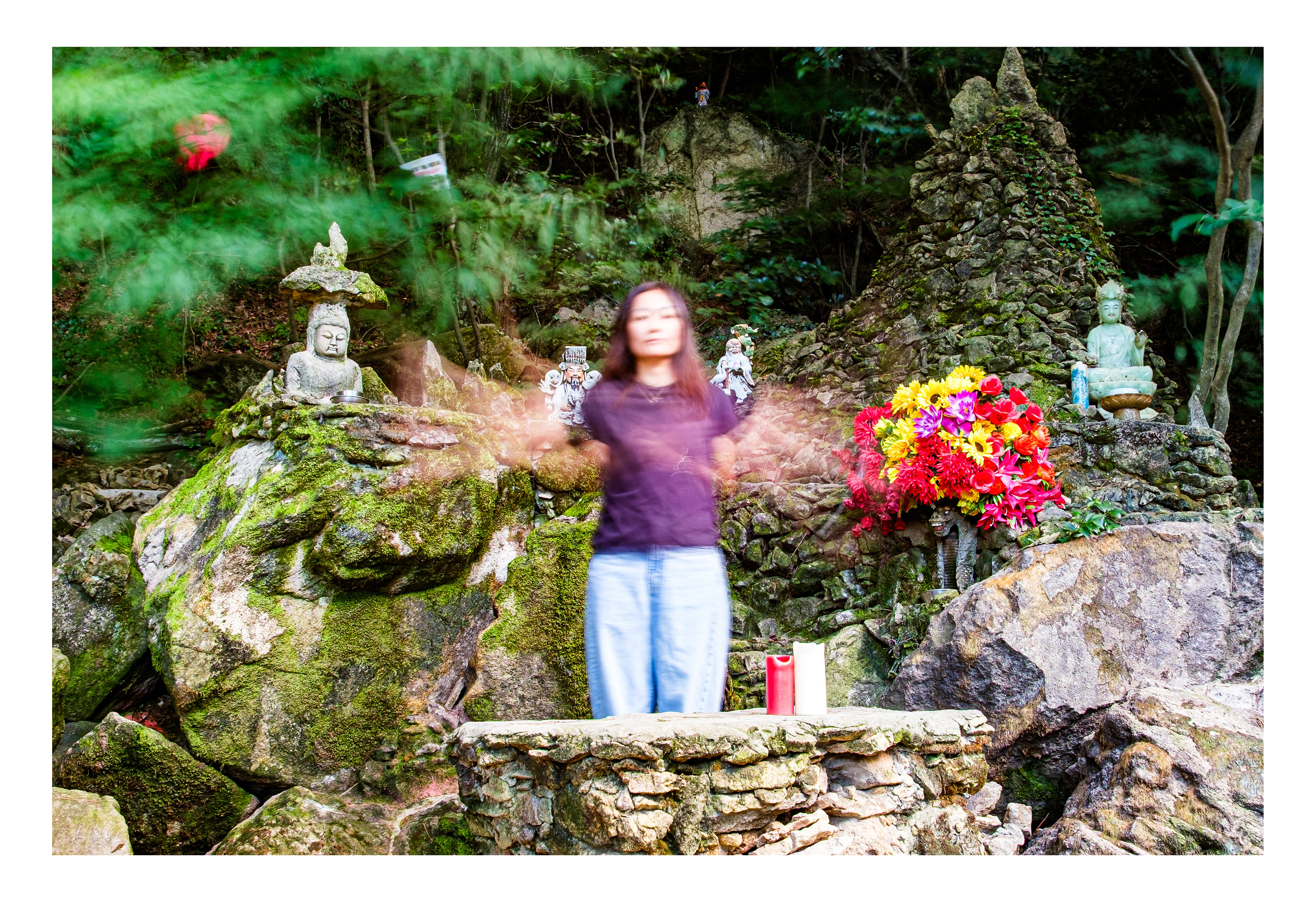
Image 4 - Mudang
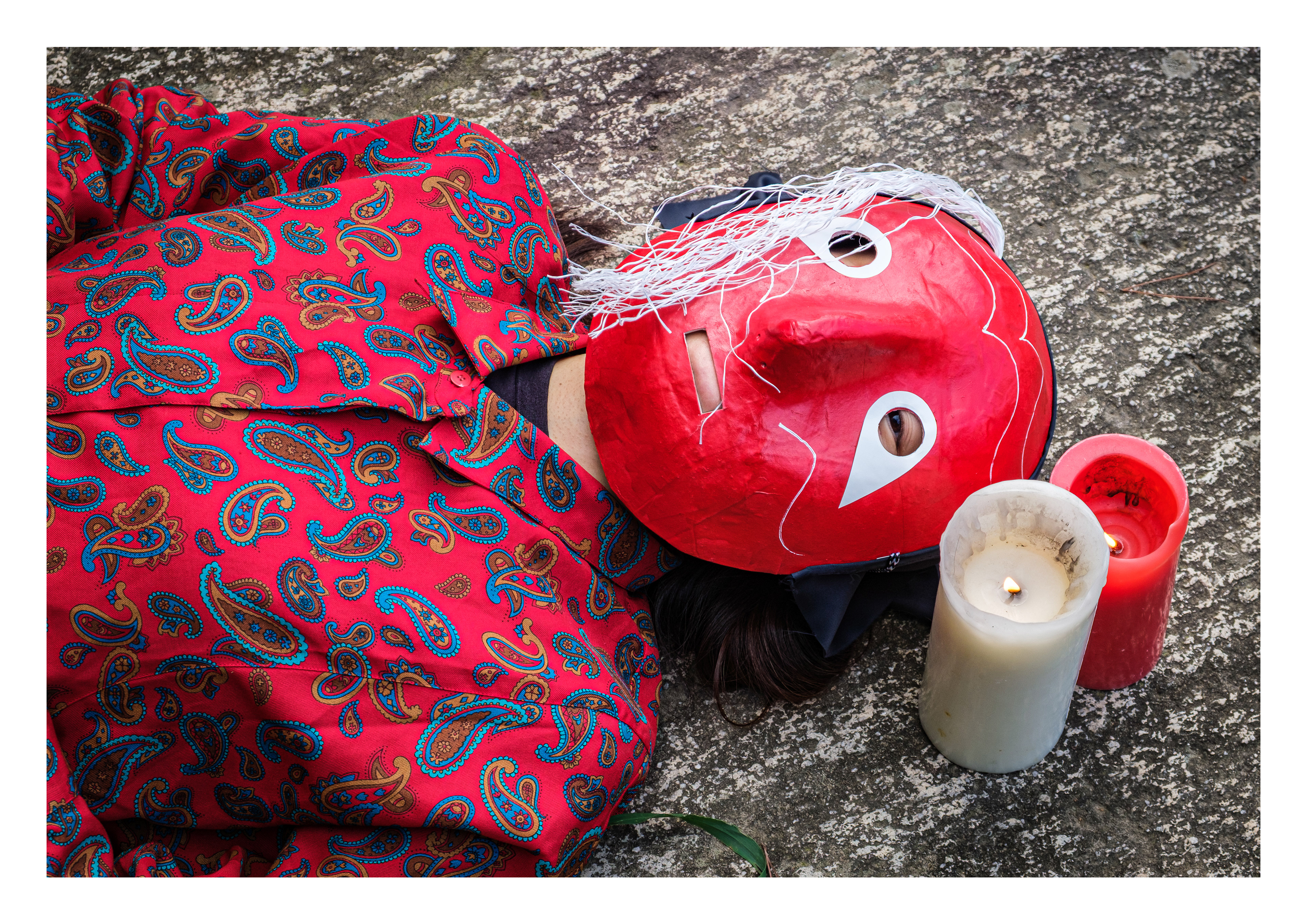
Image 5 - 취발이탈
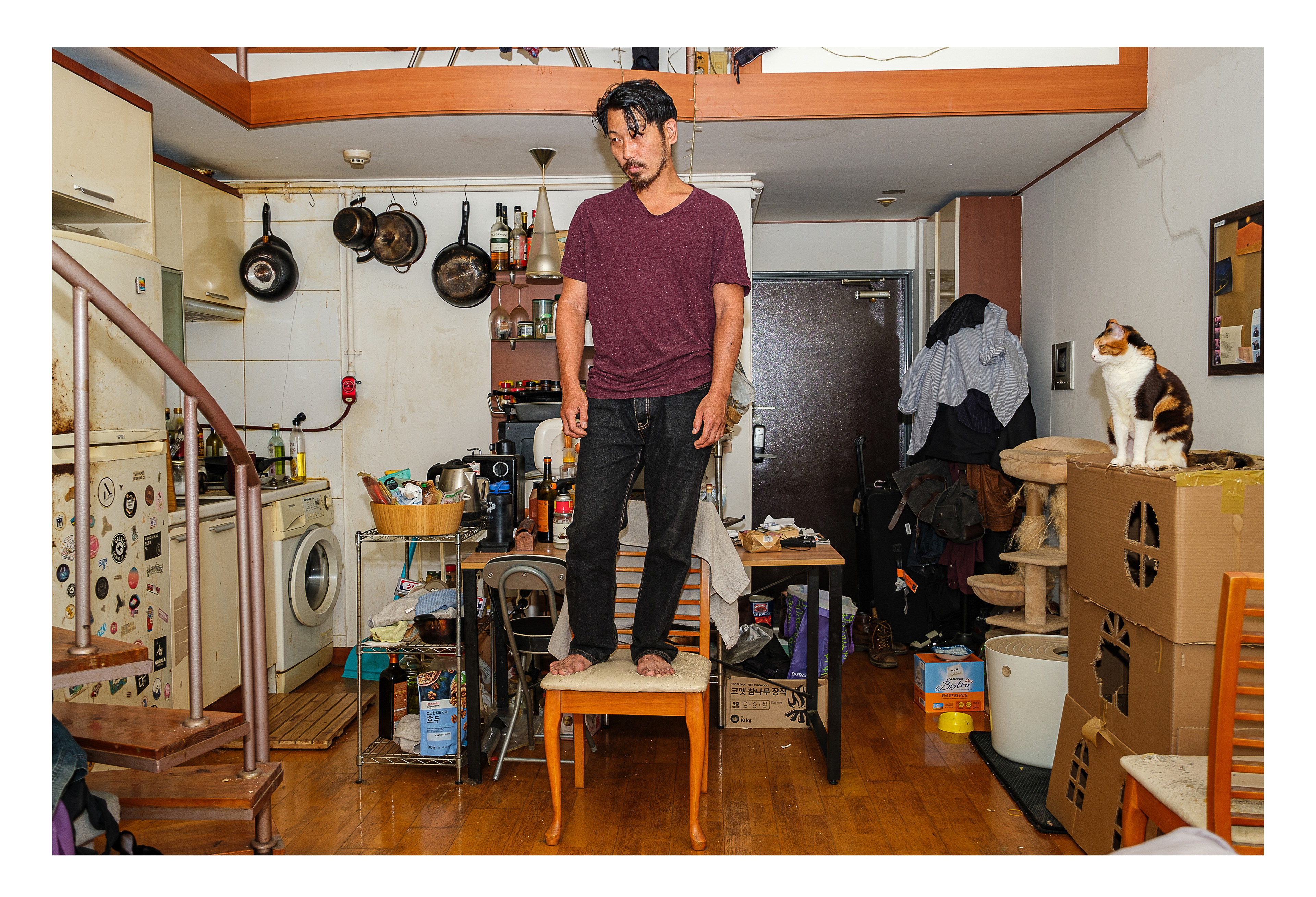
Image 6 - Looking Down
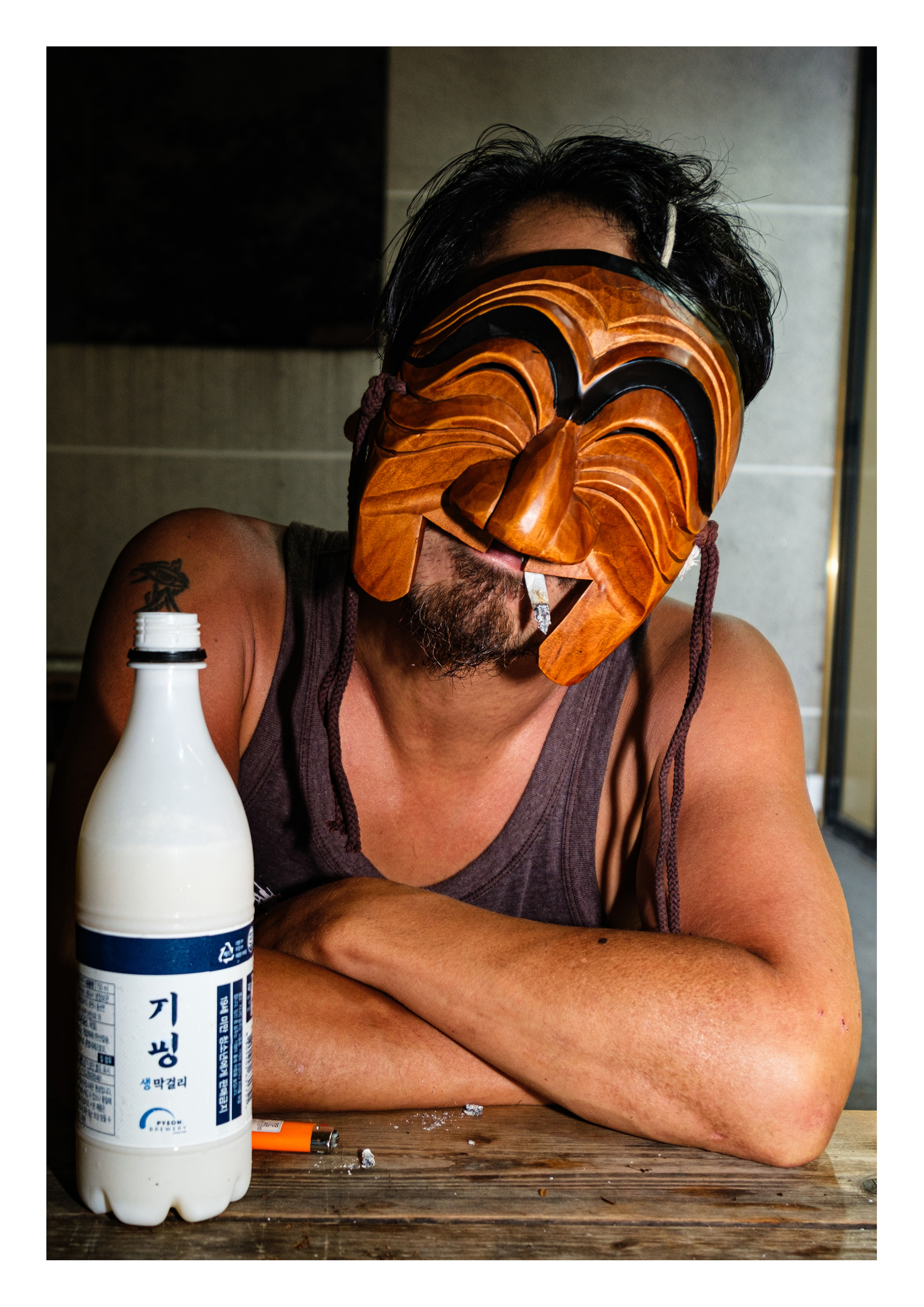
Image 7 - 이매탈
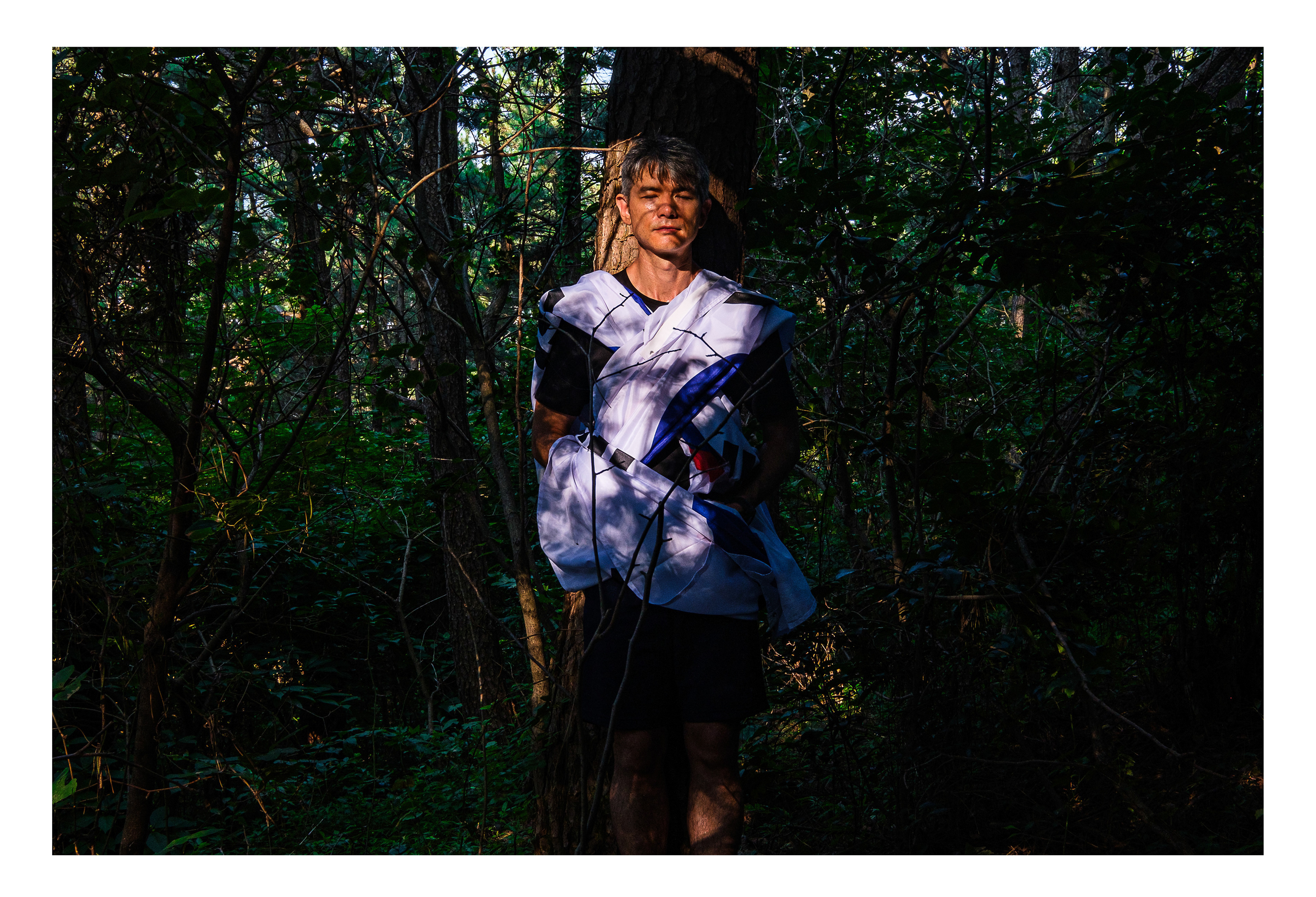
Image 8 - Tied
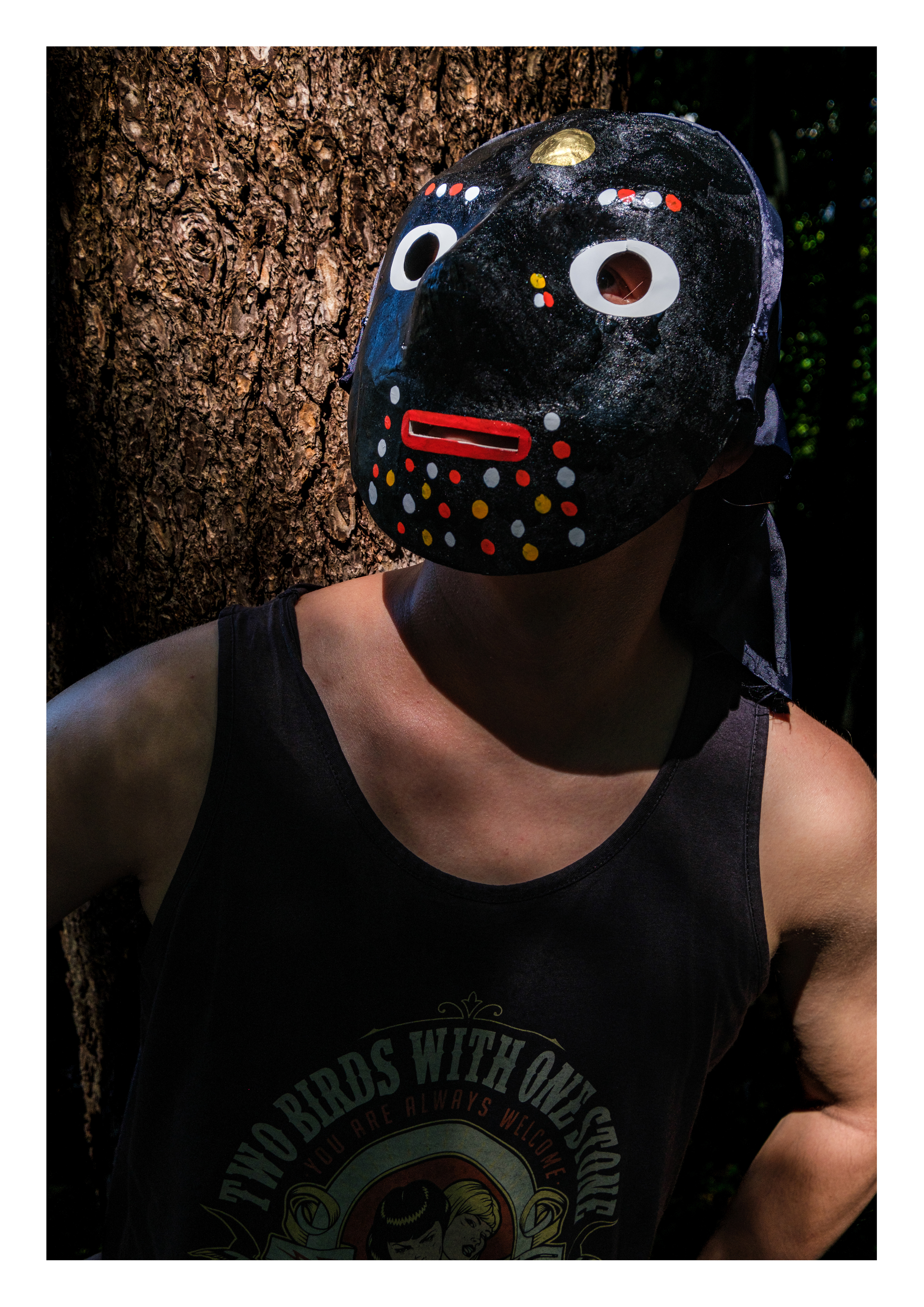
Image 9 - 봉산탈
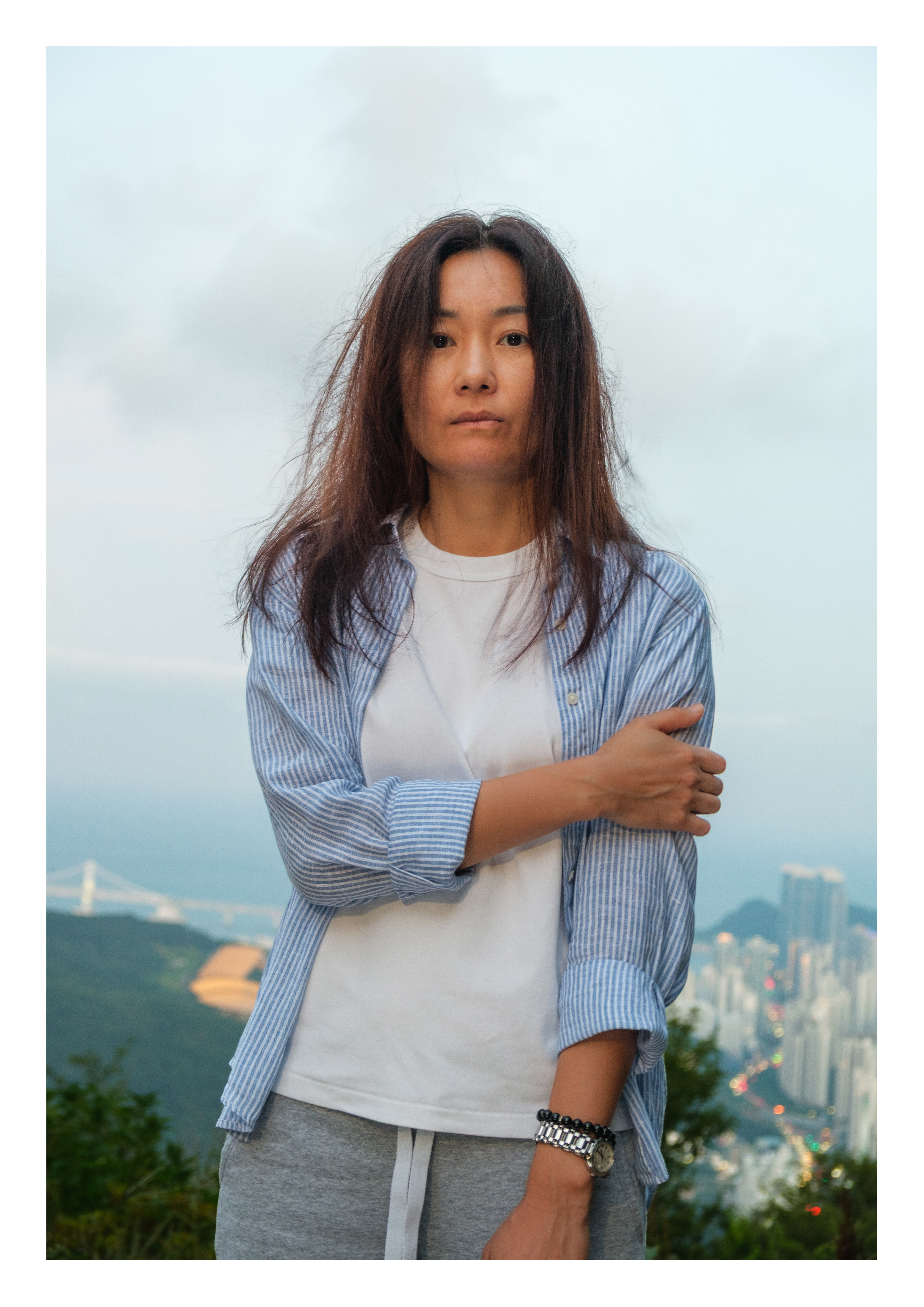
Image 10 - 산신
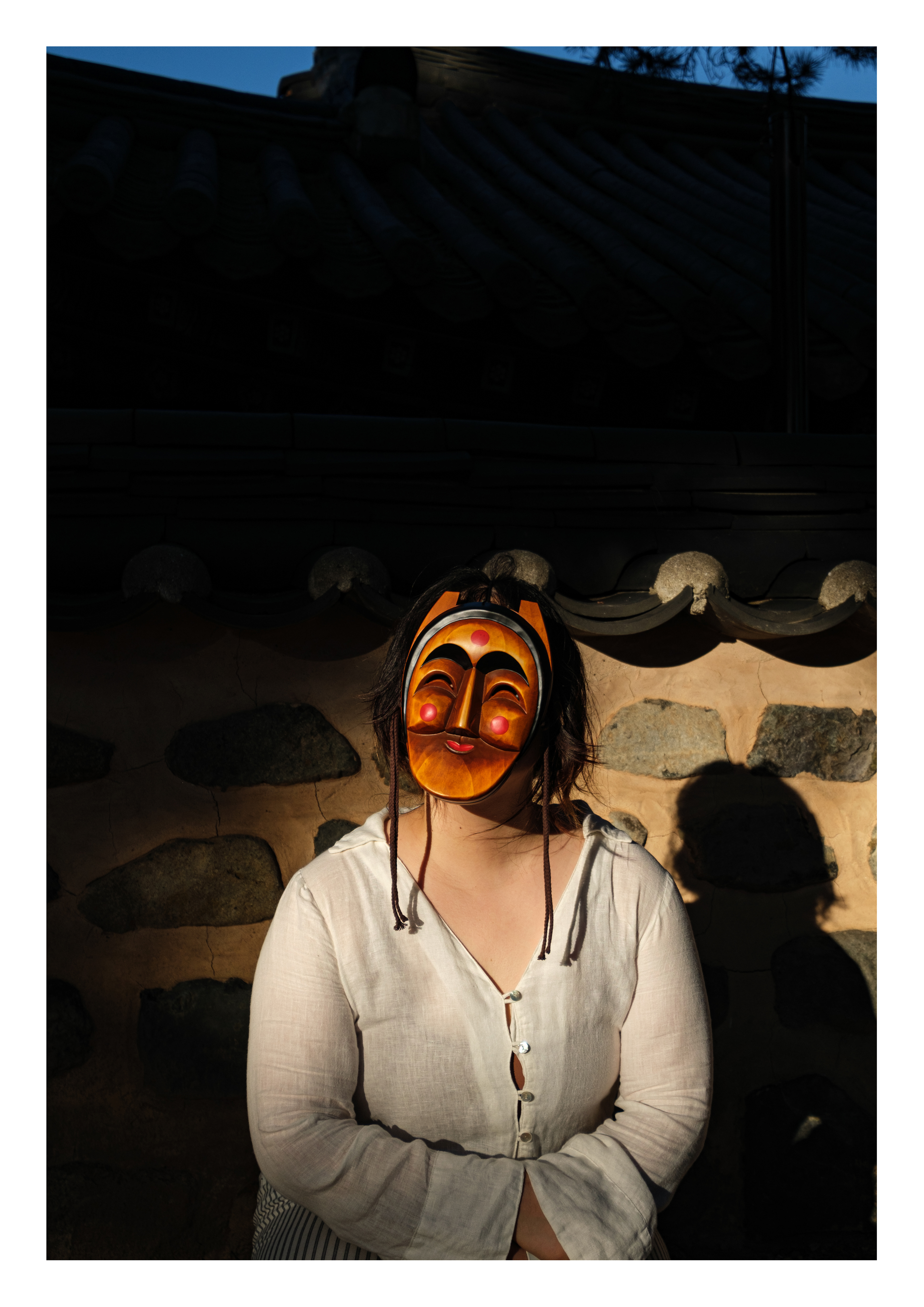
Image 11 - 부네탈
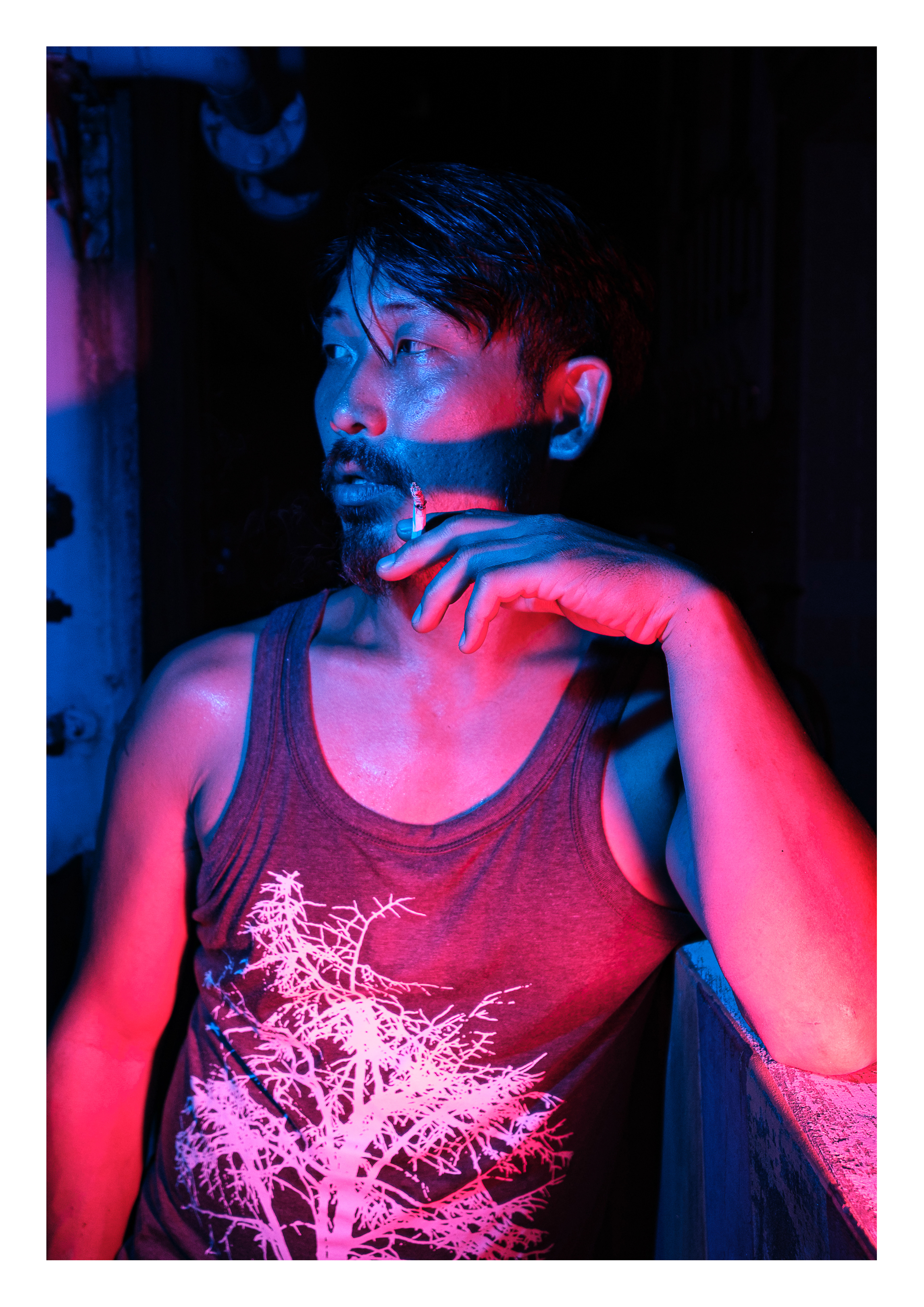
Image 12 - My Skin
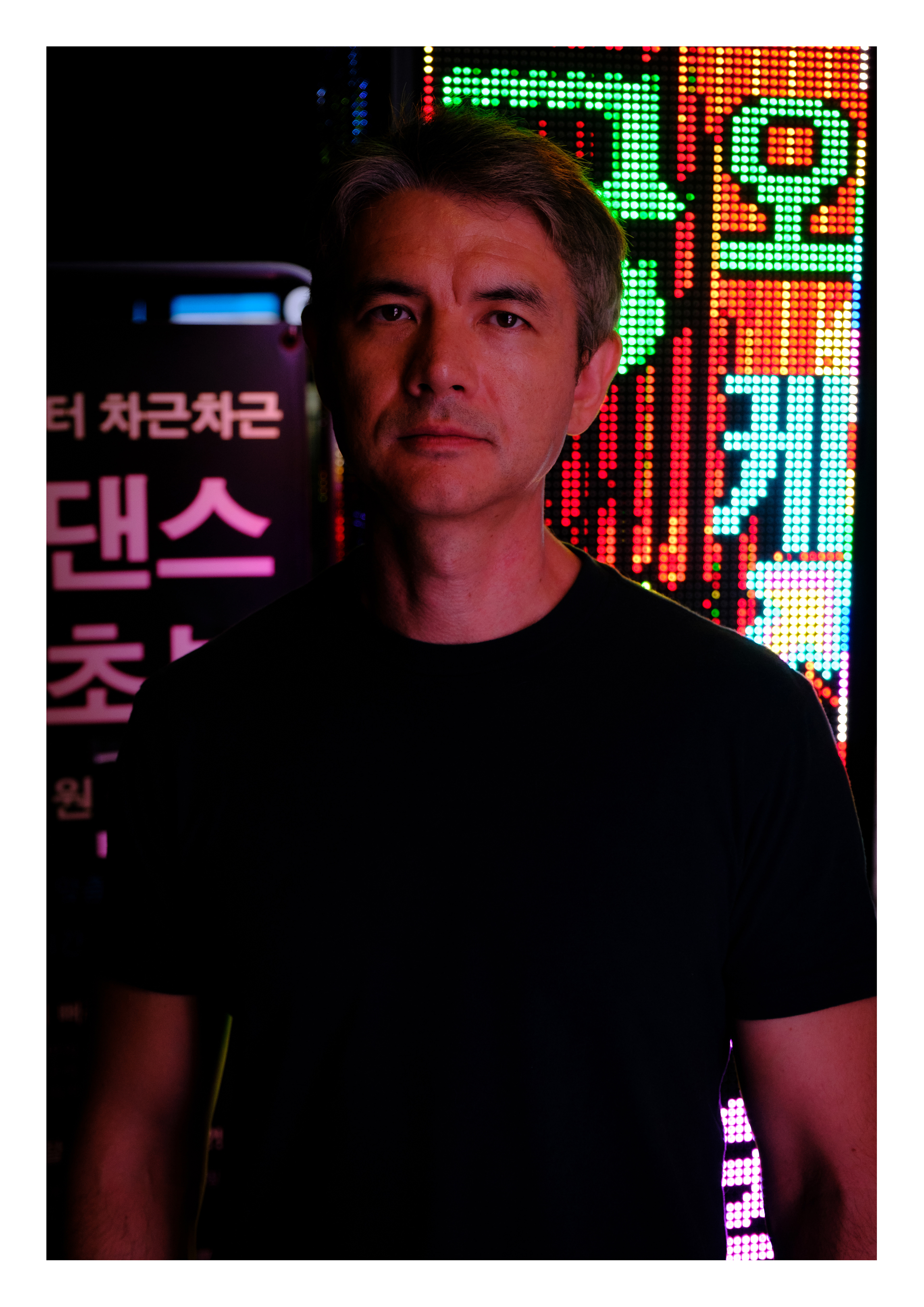
Image 13 - 노래방
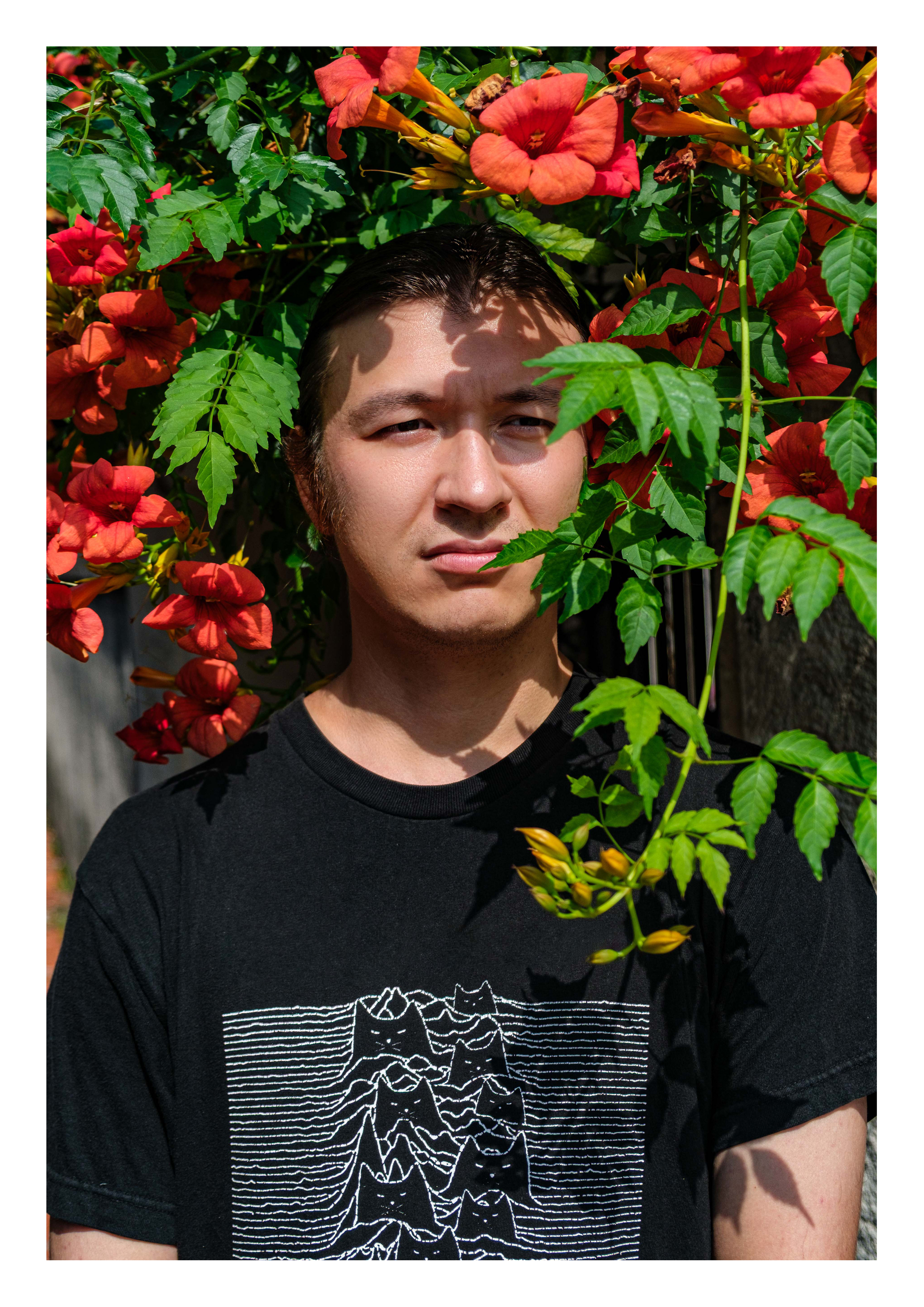
Image 14 - 아름다움